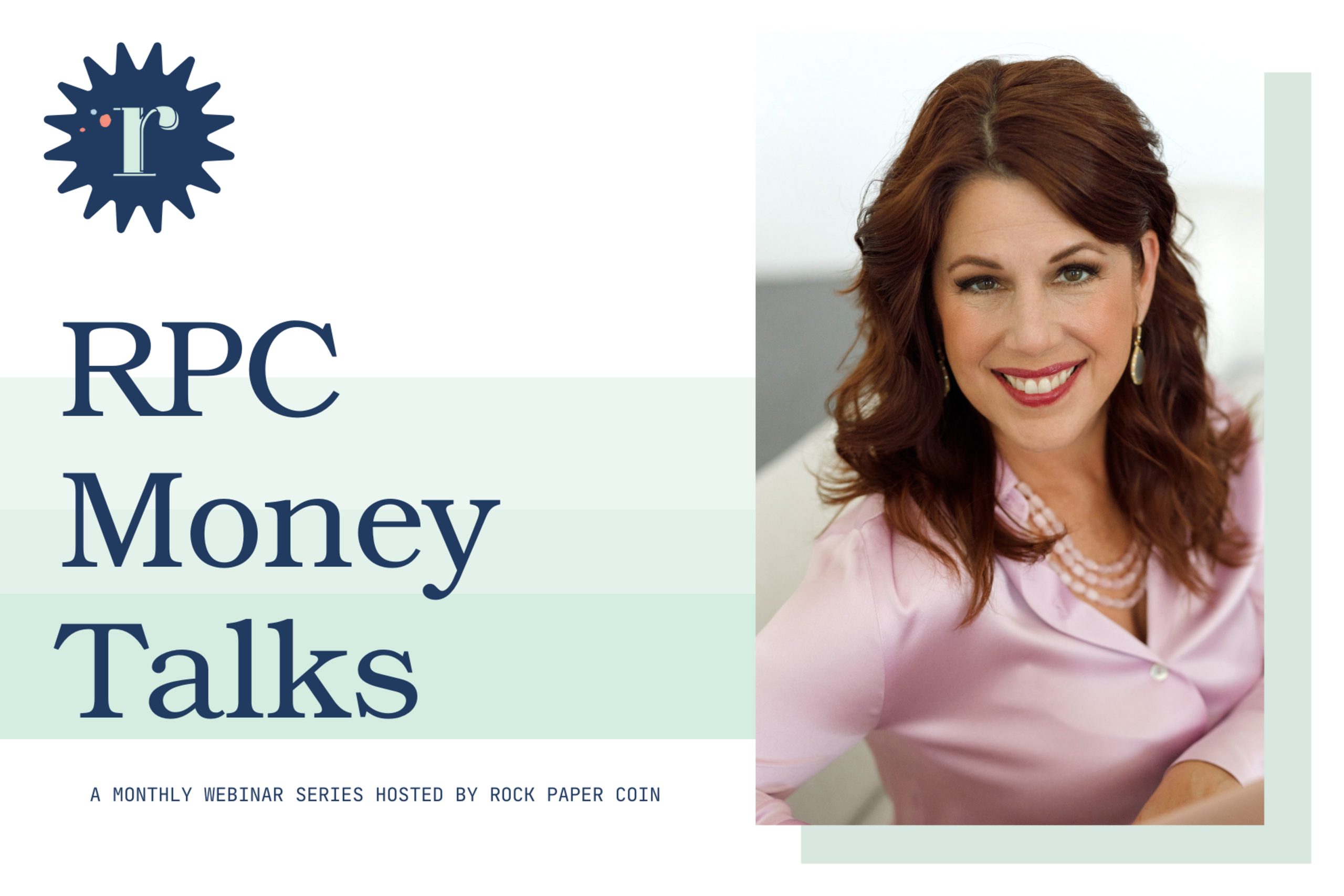
Guest blog written by Ann Koppuzha, @powerhouselegal
I’m sure you’ve read a contract before and thought it was unnecessarily harsh. Those contracts are packed with phrases like “failure to comply will result in”, “indemnify and hold harmless”, “hereinafter”, “provided, however, that”, and other legalese that makes you want to run away and question whether you even want to work with the business in the first place.
But, y’all, contracts don’t have to suck.
When you’re running a business built on creating magical experiences (especially in the wedding world), there’s absolutely no reason to use contract language that makes clients want to bolt before they even finish reading.
Contracts are the last thing your clients will read before they decide to book you, so you need to make that last impression count. Instead, write friendlier contracts with language geared towards making clients comfortable. This approach leads to faster bookings and better client relationships.
What You’ll Discover in This Guide:
You’ll learn all about why mean contracts are killing your booking process and exactly how to fix them. This includes:
- Why harsh contract language is costing you clients
- Specific words you should avoid and what words to include instead
- How to create welcoming contracts that still protect your business
- Real examples of how contract language directly impacts client relationships
By the end of this, you’ll know exactly how to create contracts that clients actually want to sign, while still protecting yourself.
3 Crucial Purposes of Business Contracts You Might Not Have Thought of
Most people think the only goal of a contract is avoiding legal disasters. But when you’re building a client-based business, your contract serves three purposes.
Purpose #1: Protect your business from the nightmare scenarios other vendors have lived through.
Purpose #2: Create backup plans for anything that can go wrong, including scenarios like illness, family emergencies, or equipment failures.
Purpose #3: Help you close clients faster, since your contract is often the very last thing clients see before they decide to pay you. That makes it a crucial part of your client’s experience.
When you fulfill all of these purposes, you create a contract that will help your business succeed. But if your contract is missing even one, you could be weakening your business. Keep reading to learn all about how you can ensure you not only accomplish every goal, but use each purpose to set your business up for success, bringing in more clients and booking even faster.
Your contract is either protecting you or putting you at risk.
Purpose #1 is the key to protecting your wedding business from risks. A good contract protects you by addressing the common problems and nightmare scenarios wedding vendors face: payment delays, unrealistic client expectations, and liability for things outside your control.
The key is doing this in clear language instead of legal jargon that only lawyers understand. For example, use the word agreement instead of contract.
A protective contract should always include limited liability clauses that cap your responsibility, marketing rights so you can display your work on social media, specific payment terms, and a detailed description of responsibilities so there’s no confusion. You want to be as specific as possible to avoid confusion.
Your contract is either creating backup plans or leaving you vulnerable to lawsuits.
Purpose #2 is vital for protecting you from lawsuits when everything seems to go wrong. Nobody wants to be in the hospital one day and dealing with a lawsuit the next. So your contract needs to outline your backup plans in unplanned scenarios.
Smart contracts include force majeure clauses for natural disasters, detailed cancellation and rescheduling policies, and clear procedures for illness or emergencies.
What happens if you get sick the week of their wedding? If there’s a family emergency? What if you’re in a car accident on the way to their event? What if a pandemic shuts down all weddings?
A well-written contract outlines exactly what happens in each of those scenarios. Nobody likes thinking about worst-case scenarios, but having these plans in writing protects both you and your clients when the impossible happens.
Your contract is either helping you close clients faster or it’s creating problems.
Purpose #3 turns your contracts into a marketing tool. When clients receive a contract that feels friendly, they’re more comfortable. They’re less likely to push back, less likely to involve lawyers, and more likely to sign quickly. This makes the entire process easier for everyone and builds trust and respect from the very beginning.
If that contract feels harsh or unfair, you’ve just undone all the positive momentum you built through your engaging social media, beautiful website, and thoughtful consultations. But if the contract feels welcoming and clear, you’ve reinforced their decision to work with you and made the entire process feel seamless.
Contracts that clients want to sign protect your business and give you a competitive advantage. That’s why you need to use language that makes clients feel comfortable.
The Real Cost of Harsh Contract Language
Most businesses view contracts as protection for the company. But once you start viewing them as part of the customer experience, everything changes.
A contract that feels unfair or complicated can turn an excited client into a hesitant one. Here’s the effect when clients see harsh contract language:
- They lose trust. When a contract sounds lopsided or mean, clients start thinking they need to protect themselves from you. Instead of feeling excited about working with you, they start wondering what you’re trying to hide.
- They bring in lawyers, turning your simple agreement into a long negotiation that takes days or weeks, instead of minutes.
- Everything becomes a battle. Once clients feel threatened, they’ll question terms they would’ve otherwise accepted without issue.
The worst part is, most wedding vendors fail to understand and explain their contracts. I’ve heard from countless clients who didn’t understand their contract, but when they reached out to their wedding vendor for further explanation, all they got was further confusion. The vendors got anxious and said they could no longer work with the client. It’s not a good look for you or your small business.
You want to be confident that your contract communicates what it needs to in terms both you and your client can understand.
The truth is, most clients don’t expect to jump into negotiating a contract when working with a small business. When they suddenly feel like they need legal representation just to book your services, the entire experience shifts from exciting to exhausting.
A Strategic Contract Keeps Customers Satisfied and Brings in More Clients
Your success depends on how clients feel after working with you. You want the process to be exciting from start to finish, and friendlier contracts help make that happen. Your contract is the last impression you make on your clients before officially making them, so make the experience a positive one.
When clients have a positive experience, they become your biggest advocates. They recommend you to friends, family, and even strangers on social media. That means everything for service-based businesses.
Friendly contracts with words geared towards making clients comfortable help create positive experiences that turn one-time clients into lifelong advocates.
How to Craft a Winning Contract
Now that you understand the importance of a good contract, you need to learn how to write a convincing contract.
Step 1: Avoid words that can trigger fear in potential clients.
Zig Ziglar, legendary sales expert of the 70s, 80s, and 90s, outlines in his iconic book, Secrets of Closing the Sale, these words that you should absolutely avoid when writing a contract:
Deal, Cost, Pay, Sign, Try, Worry, Loss, Lose, Hurt, Buy, Death, Bad, Sell, Price, Decision, Hard, Difficult, Obligation, Liable, Fail, Liability, Failure
Those words are proven to induce fear in potential clients. When clients see harsh contract language, their brain immediately shifts into defensive mode. They start looking for problems instead of solutions. They begin questioning your motives instead of trusting your expertise.
Smart wedding vendors understand this psychology and use it to their advantage. They create contracts that make clients feel more confident about their decision, not less.
Step 2: Use words designed for comfort.
Instead, focus on words that explain what you’re both agreeing to accomplish together like investment instead of pricing. Use words that are geared to help clients feel comfortable signing the agreement and simple language that explains in plain terms what everyone is committing to.
When writing, remember, the contract will be the last thing a client sees before they sign with you. If clients understand what’s happening, your contract becomes more persuasive and builds credibility instead of suspicion.
My biggest tip is instead of calling it a “contract,” use the word “agreement.”
Step 3: Design your contract to be user-friendly
Good design doesn’t end with your website, Instagram, or product/service. Your contract should be well-designed too! Good design is all about being user-friendly. Look at your contract through your client’s eyes and structure it to make sense to them. Your contract should inform and reassure clients while feeling fair to everyone involved.
Here’s how to make your contracts more user-friendly:
- Make the layout clean and readable so the content makes sense. Include clear headings so clients can easily skim through to find exactly what they need.
- Break down your processes step-by-step. You can even use diagrams and visuals to clarify complicated procedures.
- Frame clauses as problem-solving rather than punishment. Instead of outlining a penalty for late payments, explain what effect late payments cause and how those problems can be remedied. Show clients how each provision protects both parties to ensure a smooth experience.
- Use straightforward language that matches how you actually talk to clients during consultations and planning sessions.
If someone feels lost or confused reading your contract, they’re not going to feel confident in your relationship or business.
Your New Contract Strategy
Friendlier contracts can protect your business and promote better client relationships. Here’s what you need to remember:
- Your contract is part of your client’s experience. It should reflect the same values and personality that attracted clients to you in the first place.
- If there’s one thing you do today, use the word agreement not contract and investment not pricing
- Choose words that make clients feel confident about working with you, not defensive.
- Design for your client, not your lawyer. While your contract needs to be legally sound, it also needs to be accessible to the people who will actually sign it.
- Write in language that feels collaborative rather than combative.
Don’t let mean language cost you dream clients. Make that final step in your booking process as friendly as everything that came before it.
Quick Takeaway:
If you do nothing else, always call your contract an “agreement.”
Your contract is the final thing your client sees before deciding to book with you, which means every single word matters. The term you use to refer to the entire document matters most of all.
To most people, contracts feel scary and formal. Over the years, they’ve earned a terrible reputation. In people’s minds, contracts are surrounded by words like lawsuit, breach, and lawyers. When clients see the word “contract,” their brain immediately jumps to what happens when things go wrong.’
On the other hand, people enter agreements every day. It’s a focus on the positive aspects of your relationship, everything you agree on and want to accomplish together.
An agreement feels like a shared understanding between two people who are excited to work together. A contract feels like legal protection against two people who don’t trust each other.
By calling your document an agreement, you get the legal protection without the negative emotional response.
You Can Make Clients Happy While Staying Protected
Using friendlier language doesn’t mean sacrificing protecting your business. Strong legal protections can be written in language that doesn’t make people feel threatened or manipulated.
Include all of the clauses that protect your business in nightmare scenarios, but reframe them as problem-solving rather than a punishment. You need to balance protecting your rights with encouraging your clients to sign with you.
But that’s often harder than it sounds. When contracts feel overwhelming, it’s tempting to put them off, especially when you aren’t a lawyer.
But, it doesn’t need to be like this. If you’re struggling to create contracts that are both friendly and protective, you don’t have to navigate this alone. Instead of working on your contract, you can get back to doing what you love, creating unforgettable weddings.
There are two ways to get the contract protection your business needs:
Option 1: Ready-to-Use Wedding Contract Templates: You can grab a comprehensive contract template that includes all three protections we’ve discussed. Simply add your business details, and you’re ready to go. It’s perfect for wedding vendors who want professional protection without the custom price tag.
Option 2: Custom Contract Drafting Services Every business is unique, and sometimes you need a contract that’s tailored specifically to your services, pricing structure, and business model. Use custom contract services to create a contract that addresses your specific needs and concerns in a one-on-one consultation.
No matter which you pick, you’ll have a contract that protects you, helps you book clients faster, and that you can understand and explain. Think of it as the difference between having a grocery store wedding cake versus a custom one from a bakery. Both will get the job done, but one is designed specifically for you.
Your business should be built to last. Invest in a solid contract today, and you’ll sleep better knowing your passion is protected.
Want More Glowing Testimonials? Start with Your Contract.
If you’re a creative entrepreneur, there’s a straightforward contract tweak that can help you turn happy clients into powerful marketing assets—without chasing them down. ?
Learn how to collect testimonials on autopilot. Inside, you’ll get the exact clause to copy and paste, plus smart strategies to boost revenue and make your contracts even more client-friendly. Don’t let another rave review slip through the cracks—download it now.
Meet your legal sherpa:
Ann Koppuzha has a soft spot for all things wedding-related. While she’s swooning over the celebrations, she also puts on her legal hat. Ann is dedicated to ensuring your contracts are top-notch legally and echo your unique story so you can book clients faster and secure your brand with trademarks. While you focus on the wedding details, she’s got your back on the nitty-gritty legal details. And just so you know, this isn’t just passion talking; Ann has the legal street cred, too, with a decade of legal experience at top law firms and the Department of Justice.
To keep up with her and learn more about how to keep your wedding contracts ahead of the curve, follow Ann on Instagram @powerhouselegal.
Want a custom contract? Reach out to Ann at ann@powerhouse-legal.com
Ann also runs The Business Reserve, a legal boutique designed specifically for wedding pros. We offer razor-sharp and friendly legal contract templates and essential business tools designed to address today’s wedding pros’ sophisticated legal and business needs.
Disclaimer: This guide is for educational purposes only and does not constitute legal advice. Neither Ann Koppuzha nor The Business Reserve is your attorney. This is attorney advertising.
Special offer for RPC members!
RPC members can get 20% off contract templates with the code RPC20. Sign up now!